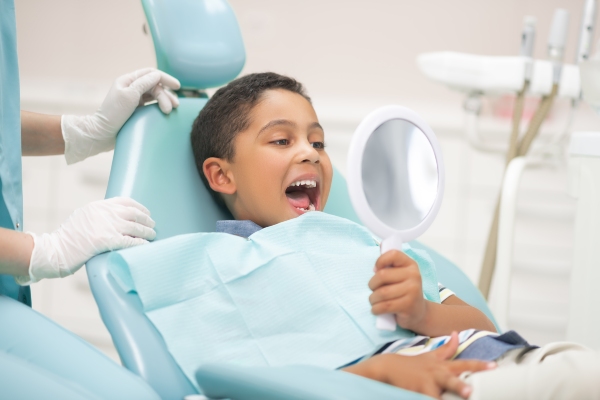
 Giving the proper dental injury treatment for children can eliminate worry and more damage. Injuries to the teeth can cause pain and discomfort. It can even affect your child’s performance at school. Once your child experiences a dental injury, seeing a dentist is necessary. If you want to know the types of dental injury treatment for children, here are the details.
Apexification or apexogenesis
A dentist can provide this dental injury treatment for children, which promotes root growth and development as the pulp heals. Covering the soft tissue with medication makes this happen. The root’s tip will close up and the root canal walls thicken as the child grows up. Once the pulp heals, the child will not need more dental injury treatment for children. The chance of saving the tooth increases as the root matures more. Apexification brings the tooth’s pulp to life using biocompatible barriers and materials.
Apexogenesis is recommended for children to maintain or restore the health of the pulp’s tooth. It seals up the injured tooth. Because it seals the tooth, it can prevent infection. Apexification also helps the root form the right way.
Root canal
Dental trauma can result from decay and facial injury. The injury can cause infection and inflammation. If the injury does not receive treatment, the pulp swells up and develops an infection. This infection can reach the canals and tips of the dental roots. Bacteria can spread to the gums and jawbone. This can cause severe pain and deeper damage.
Relieving this dental pain is possible by removing the injured dental pulp. The dentist will use diagnostic imaging to see inside the child’s tooth. Throbbing pain, pressure sensitivity, and temperature sensitivity are signs that the child needs a pulpotomy or root canal. In some cases, the injured tooth becomes discolored or develops a pimple on its side.
The dentist will perform a root canal on primary teeth as a way to maintain the natural tooth structure. It also keeps the jawbone and gum tissue intact. A root canal procedure can prevent the tooth from developing more infections. It ensures the health of a developing adult tooth as well.
Many people do not like root canals. But thanks to modern dental technology, children can have a root canal without pain. The discomfort will feel like another dental filling. The dentist will use sedation dentistry, especially if the child suffers from dental anxiety. There will be options available, such as laughing gas, depending on the child’s needs.
The dentist will choose tiny tools for the removal of the damaged pulp. Disinfecting the pulp chamber will be next. A medicament will cover the remaining part of the pulp tissue and nerve. This can help block bacteria and food particles from entering the tooth again.
Sealing the tooth and covering it up with a dental crown will follow. This dental crown can restore the child’s injured tooth. It can also protect the remaining dental structure from future injury and infection. The dental crown can bring back the size and function of the child’s tooth.
The right dental injury treatment for children can help restore your child’s general health
Dental injury can distort your child’s dental function and appearance. It is important to understand what your child will be facing during the next dental visit. Being open to sedation dentistry can make this dental injury treatment for children painless and stress-free. This can help motivate the child to go through the set treatment. It can make the procedure faster and less complicated.
Request an appointment or call Manvel Pediatric Dentistry at 832-645-2848 for an appointment in our Manvel office.
Related Posts
The field and specialty of pediatric dentistry educate and train pedodontists to handle dental emergencies. In fact, they often see more pediatric dental emergencies than general dentists.What makes a pediatric dentist different? First and foremost, pediatric dentists are pediatricians. That means they have specialized training in child development and behavior. This allows them to better…
Your child's teeth will develop and change as they age. Likewise, the kind of dental care they need will change over time. The adult teeth may not develop properly without proper oral care, leading to gum disease and decay problems. Talking to a pediatric dentistry professional and asking the appropriate questions may help better care…
Pediatric dentistry is a vital part of a child's healthcare team. They are responsible for the oral health of babies, children, and adolescents. A pediatric dentist has the education and experience to care for a child's unique dental needs. In addition, they can provide preventive care, diagnosis, and treatment of various dental problems.Parents need to…