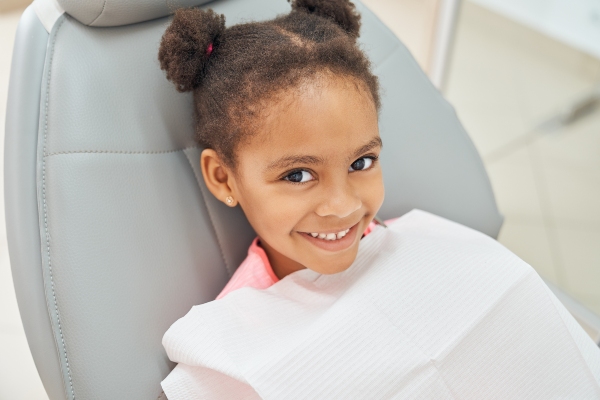
 Pediatric dentistry aims to treat and diagnose dental issues in infants, children, and teenagers. As your children's teeth develop, unique problems may occur. Professionals in pediatric dentistry understand the importance of primary teeth and setting up a lifetime of good oral hygiene habits. Early dental care can help prevent decay later in life. Pediatric dentists can also treat trauma-related injuries.
How do you know when to seek treatment for dental injuries?
Accidents happen throughout childhood. However, many parents wonder when they should treat an injury at home and when they should seek professional help. When it comes to dental injuries, professionals in pediatric dentistry are the most qualified to handle treatment. Knowing when to bring your child to the dentist can help save you time and worry.
Common childhood injuries
Treatment options depend heavily on the child's age and the type of injury. Likewise, your children's ages can affect whether you have a dental emergency on your hand. Injuries include any damage to the permanent or baby teeth.
Dislocated teeth
When kids dislocate their primary teeth, dentists aim to protect the tooth and prevent future damage to permanent teeth. In some cases, dentists may choose to leave primary teeth in place. Some loose teeth do heal on their own. However, a dislocated tooth can fall out if it becomes too loose.
Children need to see a dentist immediately if a permanent tooth becomes loose or knocked out. In many cases, teeth can return to the socket and survive. A professional must place the tooth back in the socket within 15 minutes to an hour. If you cannot reach a dentist in the optimal timeframe, you can store the tooth in milk.
Broken teeth
When children break their teeth, they must see a dentist as quickly as possible. The outcome depends on early treatment. If the fractured tooth causes sensitivity, the break may affect the tooth's nerve. You may be able to store your children's tooth fragments in water to reattach them at the dentist.
Loose teeth
While loose primary teeth are a normal part of development, loose permanent teeth are not. When loose permanent teeth interfere with your child's ability to bite, it becomes a dental emergency. Some kids only require an exam and monitoring, whereas others may require stitches or splints to keep the tooth in place while it heals.
Symptoms to watch out for
Seek treatment immediately if your child experiences pain or sensitivity following a mouth injury. If you see signs of bleeding that do not stop within 10 minutes after applying pressure, your child may have a dental emergency.
Check your children's ability to open and close their mouths. If you notice any difficulty, seek dental injury treatment immediately. Oral infections from trauma can cause fevers, redness, and difficulty opening the mouth.
Conclusion
When children experience injuries that affect their primary or permanent teeth, professionals in pediatric dentistry can help. If your children show signs of pain, discomfort, or illness after an injury, the sooner you seek help, the better the outcome.
Request an appointment or call Manvel Pediatric Dentistry at 832-645-2848 for an appointment in our Manvel office.
Related Posts
The field and specialty of pediatric dentistry educate and train pedodontists to handle dental emergencies. In fact, they often see more pediatric dental emergencies than general dentists.What makes a pediatric dentist different? First and foremost, pediatric dentists are pediatricians. That means they have specialized training in child development and behavior. This allows them to better…
Your child's teeth will develop and change as they age. Likewise, the kind of dental care they need will change over time. The adult teeth may not develop properly without proper oral care, leading to gum disease and decay problems. Talking to a pediatric dentistry professional and asking the appropriate questions may help better care…
Pediatric dentistry is a vital part of a child's healthcare team. They are responsible for the oral health of babies, children, and adolescents. A pediatric dentist has the education and experience to care for a child's unique dental needs. In addition, they can provide preventive care, diagnosis, and treatment of various dental problems.Parents need to…