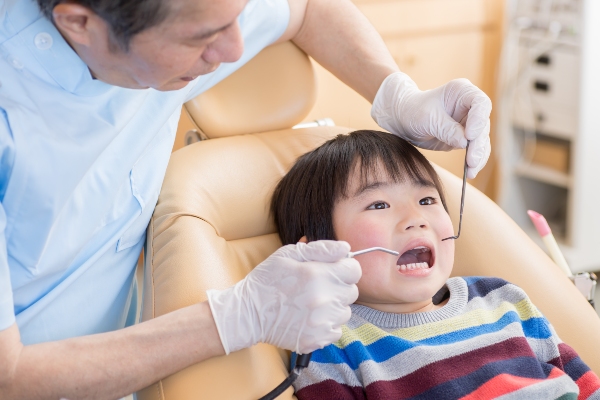
 Beginning around age 1, children should start routine pediatric dentistry appointments. These regular visits can reduce the risks of disease while helping kids maintain healthy teeth and gums. There are two main portions of a routine dental visit: a dental cleaning and an oral health exam. Both play an important part in protecting your child's teeth.
Understanding dental appointments for children
Typically, both a dental cleaning and an oral health exam take place during the same appointment. The entire process usually takes about 45 minutes from start to finish, but this can vary based on:
- The child's compliance with the dentist.
- The overall state of the child's teeth and gums.
- The age of the patient.
- Symptoms or conditions that may require additional screenings.
In some situations, a dentist may recommend an additional examination a few weeks or months down the road, usually to monitor treatment progress or an existing condition. In these cases, a child may have their teeth examined but not cleaned.
Dental cleanings
Usually, the first portion of a pediatric dentistry appointment is professional cleaning. For babies and young toddlers, thorough brushing is all that is done. Many offices utilize a cushioned lap tray that allows the child to lie back comfortably while being held by a parent. Then the dentist brushes the child's teeth. Once children become more comfortable with the dentist and more baby teeth erupt, flossing will also be incorporated.
Once a child reaches preschool age and is content to sit in a patient chair, they will gradually progress from having their teeth cleaned with a manual toothbrush to a professional dental polishing brush. Flossing will continue. When they are able to sit still and stay calm in the chair, usually around age 5 or 6, scaling instruments are introduced to help remove plaque and tartar buildup.
Oral health examinations
One important aspect of an oral health examination is the dental X-ray. These are recommended on an annual basis starting at age 2 or 3. Those who are being monitored for tooth decay or other conditions may need X-rays every six months. When a child is due for imaging, it is usually done at the very beginning of the appointment, when they are more likely to sit still for the procedure. This also gives the dentist time to review the images before the appointment is complete.
A dentist may perform some basic visual examinations before or during a cleaning, such as noting which teeth have erupted and their current position, as well as the general appearance of the gum tissues. Teeth and gums are often more thoroughly examined once the cleaning is complete. The removal of plaque and tartar buildup makes it easier for the dentist to detect staining and signs of decay. A dental explorer (a small metal instrument similar to a scaler) may be used to check for potential soft spots on teeth, a symptom of developing cavities.
Conclusion
Cleanings and examinations are both essential steps in a routine pediatric dentistry appointment. Each can help your child enjoy better oral health now and in the future.
Request an appointment or call Manvel Pediatric Dentistry at 832-645-2848 for an appointment in our Manvel office.
Related Posts
The field and specialty of pediatric dentistry educate and train pedodontists to handle dental emergencies. In fact, they often see more pediatric dental emergencies than general dentists.What makes a pediatric dentist different? First and foremost, pediatric dentists are pediatricians. That means they have specialized training in child development and behavior. This allows them to better…
Your child's teeth will develop and change as they age. Likewise, the kind of dental care they need will change over time. The adult teeth may not develop properly without proper oral care, leading to gum disease and decay problems. Talking to a pediatric dentistry professional and asking the appropriate questions may help better care…
Pediatric dentistry is a vital part of a child's healthcare team. They are responsible for the oral health of babies, children, and adolescents. A pediatric dentist has the education and experience to care for a child's unique dental needs. In addition, they can provide preventive care, diagnosis, and treatment of various dental problems.Parents need to…