 Up to 20 percent of children between the ages of five and 11 years have decay in at least one tooth. Taking your children to see a dentist for early dental care is critical in light of this worrying statistic. The CDC has also claimed in one of its publications that dental cavities and caries are on the rise among school-age children.
Early childhood dental cavities are one of the most frequent dental problems. Parents must thus ensure that their children practice proper dental hygiene at home and regularly see a children's dentist in their area.
The benefits of early dental care
The following are some of the reasons parents need to take their children for early dental care:
Learn excellent oral habits
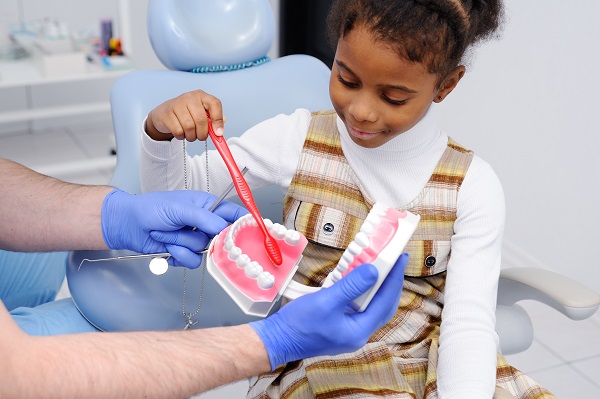
A complete dental cleaning is not necessary for a two-year-old. However, parents should instruct them on good dental habits. A visit to a children's dentist will teach the child how to properly clean and floss their teeth, what a dental cavity is, and other critical oral lessons. As a result, instilling these behaviors in children at an early age will have a lasting impact on their life.
Ensure excellent oral health
Maintaining a healthy mouth is one of the main benefits of having a child's teeth checked by a dentist. Parents can keep track of their child's oral health by seeing the dentist periodically. The dentist will adequately clean the child's mouth if there are any anomalies in the teeth or gums. The dental professional will also advise on avoiding future dental issues and damage.
Tooth decay prevention
When parents take their children to the dentist regularly, they can avoid tooth decay caused by dental cavities. A lack of proper dental care may lead to dental cavities in children, leading to more significant oral health concerns in the future if they are not recognized early. In addition to preventing dental cavities, a children's dentist may provide vital advice on maintaining excellent oral hygiene.
When to take the child for early dental care
At least in principle, dentists and doctors agree that the recommended age to bring children for routine oral health exams has reduced over the years. For example, the American Academy of Pediatrics issued Standards of Child Health Care in 1967, which contained recommendations for physicians on the care of a child's teeth at 2.5 years and a referral for dental treatment at the age of four years.
The latest guideline published in 1994 called for routine dental health exams for all children under two, with appropriate referrals made if necessary. Doctors now undertake a caries risk assessment on children as young as six months and refer those with a high risk of cavities to the dentist at 12 months. Children with early preventive dental visits have lower caries incidence and service costs.
In conclusion
Kids are more likely to suffer from dental caries and tooth decay. You may avoid long-term harm to your child's dental health by catching these concerns early. Dentists offer comprehensive early dental care for children to keep them in good oral health.
Request an appointment or call Manvel Pediatric Dentistry at 832-645-2848 for an appointment in our Manvel office.
Related Posts
The field and specialty of pediatric dentistry educate and train pedodontists to handle dental emergencies. In fact, they often see more pediatric dental emergencies than general dentists.What makes a pediatric dentist different? First and foremost, pediatric dentists are pediatricians. That means they have specialized training in child development and behavior. This allows them to better…
Your child's teeth will develop and change as they age. Likewise, the kind of dental care they need will change over time. The adult teeth may not develop properly without proper oral care, leading to gum disease and decay problems. Talking to a pediatric dentistry professional and asking the appropriate questions may help better care…
Pediatric dentistry is a vital part of a child's healthcare team. They are responsible for the oral health of babies, children, and adolescents. A pediatric dentist has the education and experience to care for a child's unique dental needs. In addition, they can provide preventive care, diagnosis, and treatment of various dental problems.Parents need to…