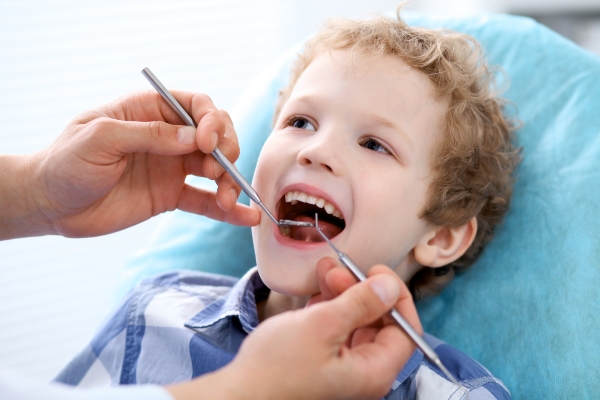
 You probably already know that fluoride is present in good toothpaste, but it is worth noting that your kids may benefit from additional fluoride treatment to ensure their teeth stay strong and healthy. A pediatric dentist will probably tell you that fluoride treatments are risk-free and should be administered as required to youngsters.
An overview of fluoride treatment
Fluoride occurs naturally as a mineral. It helps build healthy teeth and reduces the risk of cavities. When applied early on, fluoride may greatly reduce the severity of tooth decay. Dental caries, or cavities, may be prevented or treated in their early, milder stages using topical fluoride applications.
Plaque forms when bacteria adhere to teeth. This plaque may eventually lead to cavities and gum disease by slowly eating away at tooth enamel and gums. While regular dental care, including brushing, flossing, and checkups, may reduce plaque buildup, some plaque will remain. Plaque may do much harm, but fluoride helps prevent some of it. Fluoride treatment can also reverse early tooth decay.
Remineralization of the enamel
The enamel, the protective covering of teeth, gains or loses minerals daily. Loss of minerals, or demineralization, occurs when the protective layer is eroded by plaque acid. Too much demineralization might lead to tooth decay. Fluoride can help remineralize the teeth, which implies that early decay can be repaired and the teeth can grow stronger.
Children under the age of six who get fluoride treatments have the mineral absorbed into the formation of their permanent teeth. Therefore, they end up with stronger, more robust adult teeth. Children whose teeth are treated with fluoride are less likely to get tooth decay when they are adults.
When can children get fluoride treatment?
Children between the ages of 6 months and 16 years old are encouraged to take fluoride supplements daily by the American Academy of Pediatric Dentistry. Daily fluoride is available in the form of toothpaste or fluoridated water.
At the pediatric dentistry office, the dental professional will determine the appropriate fluoride treatment dose based on the child's age, risk of dental cavities, and current fluoride intake from other sources, such as drinking water. Fluoride treatments are safe and effective. For decades, people of all ages have relied on fluoride to keep their tooth enamel strong and healthy.
Application of fluoride treatments
The dentist may recommend brushing fluoride varnish or gel on the child's teeth. Applying the fluoride takes no more than a minute. After waiting no more than 30 minutes, the child may have something to eat and drink. Treatment with fluoride may be done regularly (every 3-6 months) and on new teeth as they come in.
Following the schedule indicated by the child's dentist, using fluoride toothpaste, drinking water with added fluoride, and undergoing professional fluoride treatments are all necessary. However, parents should avoid leaving fluoride supplements out where kids can get them or allowing them to swallow toothpaste.
The bottom line
Good dental health as an adult starts in childhood, and fluoride treatments are a crucial component of any child's dental health plan. That is why pediatric dentists recommend regular fluoride treatments for kids, including treating new teeth as they erupt. If you want to learn more about fluoride treatments for your child, we can help.
Request an appointment or call Manvel Pediatric Dentistry at 832-645-2848 for an appointment in our Manvel office.
Related Posts
The field and specialty of pediatric dentistry educate and train pedodontists to handle dental emergencies. In fact, they often see more pediatric dental emergencies than general dentists.What makes a pediatric dentist different? First and foremost, pediatric dentists are pediatricians. That means they have specialized training in child development and behavior. This allows them to better…
Your child's teeth will develop and change as they age. Likewise, the kind of dental care they need will change over time. The adult teeth may not develop properly without proper oral care, leading to gum disease and decay problems. Talking to a pediatric dentistry professional and asking the appropriate questions may help better care…
Pediatric dentistry is a vital part of a child's healthcare team. They are responsible for the oral health of babies, children, and adolescents. A pediatric dentist has the education and experience to care for a child's unique dental needs. In addition, they can provide preventive care, diagnosis, and treatment of various dental problems.Parents need to…