Children’s Root Canal: When It Is Necessary and What to Expect
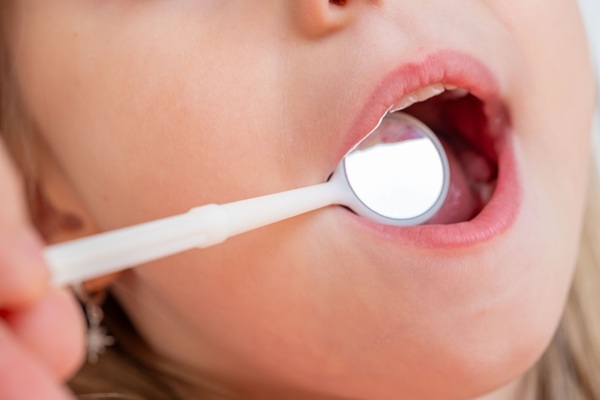
Your child may need a children's root canal soon. As a parent, you must know why your child might need this procedure and what to expect. That way, you can prepare yourself and your child for the appointment with your pediatric dentist. Here are the details about the need for a children's root canal and what the process entails.
Considering a root canal for kids
The dentist will assess the child’s tooth first. This checkup will involve a physical dental exam and even a dental X-ray. The results will tell the dentist if the child needs a children's root canal. The dentist will explain why the child needs this procedure. Below are the possible considerations.
Tooth infection
This condition develops when bacteria penetrate the dental pulp. The infection leads to other symptoms, such as pain. The infection may also spread to other parts of the mouth. It could result from gum recession or dental cavities. A children’s root canal will be necessary to relieve the child’s pain.
Dental abscess
A tooth infection often results in a dental abscess, which is a pus pocket near or in the dental root. An abscess is a severe dental condition. It can worsen the symptoms and the spread of infection. A children’s root canal can treat the abscess by removing the affected tissue. The dentist will use a fresh filling material to replace it.
Dental damage
Damage to a tooth can result from accidents, injuries, or decay. Trauma that extends to the dental root may need a children’s root canal. This procedure can restore the root’s function and relieve pain.
Cavities
There are cases where a dental filling cannot repair a cavity anymore. The filling would fail even if the dentist repeated the treatment. A severe cavity affects the dental root. The dentist will remove the decayed areas with a children’s root canal. Replacing them with healthy material can make the tooth stable again.
The procedure
A children’s root canal can relieve tooth infection. This procedure aims to restore the tooth and prevent tooth extraction. First, the dentist will numb the area around the affected tooth. Doing so will make the procedure painless. Creating an access hole on the top of the tooth will come next.
The access hole will allow the dentist to clean out the infected pulp and fill the cavity with gutta-percha. This material will seal off the inner part of the tooth. The sealant will prevent bacteria from re-entering the tooth and starting another infection. The goal is to keep the tooth intact. The dentist will recommend a dental replacement if this treatment does not work on the child’s permanent tooth.
Preparing the child for a root canal
Talk to the child about the steps of the children’s root canal. Explain why the dentist needs to perform it. The child must be comfortable with the procedure before the appointment. Help the child perform some deep breathing exercises. These exercises can help the child stay calm before and during the treatment. Tell the child that the dentist will make the procedure painless by numbing the area.
The dentist will discuss the dental sedation options with the parent before the treatment begins. The choice will depend on the procedure and the child’s needs. Some kids may need local anesthesia for the children’s root canal. Younger children often need general anesthesia to make them fall asleep during the treatment.
Aftercare for the procedure
There will be discomfort after the children’s root canal. Reducing the pain is important after the treatment. The dentist will provide the parent with some instructions on how to care for the child’s treated tooth. The following are some of them:
- Promote hygiene by helping the child floss and brush every day. This practice will keep the infection at bay and the area clean.
- Tell the child not to use the treated tooth for biting or chewing to restore the tooth and prevent future dental damage.
- Keep the mouth debris-free after drinking or eating. Keeping the area clean can ward off infection.
- Rinse the mouth with warm salt water. Doing so will help stop possible infections.
- Relieve pain and inflammation with over-the-counter pain relievers. Apply a cold compress on the cheek of the affected tooth for 20 minutes each time. Give the child soft foods for the first few days after the treatment to reduce pressure.
Understanding a children’s root canal can lead to proper healing and better dental health
Knowing that your child needs an invasive dental procedure can be stressful. That is why finding out the details of the process is important. It is part of preparing yourself and your child for the children’s root canal appointment. Working with your pediatric dentist can help your child gain a better smile and oral health sooner.
Request an appointment here: https://www.manvelpediatricdentistry.com or call Manvel Pediatric Dentistry at (832) 645-2848 for an appointment in our Manvel office.
Check out what others are saying about our services on Yelp: Read our Yelp reviews.
Related Posts
The field and specialty of pediatric dentistry educate and train pedodontists to handle dental emergencies. In fact, they often see more pediatric dental emergencies than general dentists.What makes a pediatric dentist different? First and foremost, pediatric dentists are pediatricians. That means they have specialized training in child development and behavior. This allows them to better…
Your child's teeth will develop and change as they age. Likewise, the kind of dental care they need will change over time. The adult teeth may not develop properly without proper oral care, leading to gum disease and decay problems. Talking to a pediatric dentistry professional and asking the appropriate questions may help better care…
Pediatric dentistry is a vital part of a child's healthcare team. They are responsible for the oral health of babies, children, and adolescents. A pediatric dentist has the education and experience to care for a child's unique dental needs. In addition, they can provide preventive care, diagnosis, and treatment of various dental problems.Parents need to…
Pediatric dentistry professionals always warn against foods that can ruin a child’s teeth. Parents must limit a child’s intake of carbohydrate-rich foods. This can help lower the child’s risk for dental problems. Knowing what foods to avoid can help make oral care easier. If you want to know what foods can harm your child’s teeth…