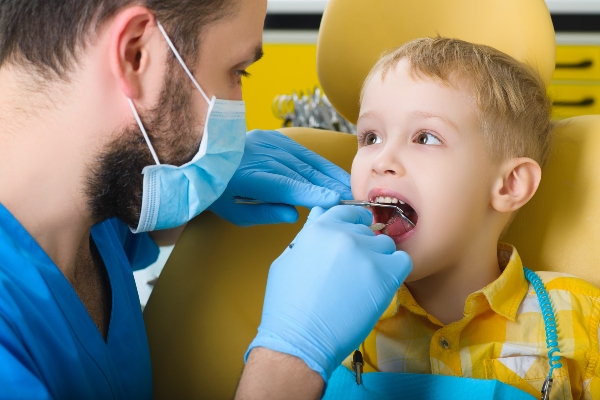
 Pediatric dentistry is an important part of a child's health and wellness routine. According to the American Dental Association, a child should see the dentist at least twice per year. Typically, a child's dental appointment lasts for about 45 minutes.
What to expect during a child’s dental visit
During a child's pediatric dentistry visit, the dentist will provide a full dental exam that includes a checkup for the teeth, jaws, gums, bite, and oral tissues. The cleaning may include removing stains, plaque, or tartar as well as performing a gentle polish. Sometimes, in older children, the dentist will perform an X-ray to ensure the root of a baby tooth is not affecting the adult tooth coming in. Finally, the dentist will provide the parent with information on how to care for the child's teeth at home.
Sometimes, a dentist will provide your child with fluoride treatment. Fluoride prevents plaque from building up on the teeth, which in turn helps to prevent cavities and tooth decay. For about six hours, your child will need to avoid hard food or hot beverages. Depending on how healthy your child's teeth are, they may need fluoride treatment every three months.
On occasion, the dentist will fit your child with a mouthguard. Mouthguards help to protect your child's teeth while they play sports. In addition, when worn at night, they prevent your child from grinding their teeth while they are sleeping. You will be able to pick from a premade mouthguard, a fitted mouthguard, or a custom-made one. The right mouthguard will be comfortable and tear-resistant.
How to prepare a child for a dental visit
Many children are more alert and awake during morning appointments. If possible, schedule appointments for the morning. At a minimum, consider scheduling afternoon appointments right after naptime. If the child is a toddler or in preschool, explain to them what will happen at the dentist in terms that they will understand.
How a parent can prepare for a child's dental visit
A parent who has questions or concerns about a child's dental health should prepare them in advance. This ensures they do not forget anything important. A parent with dental anxiety should be careful now to express that anxiety to the child, as kids could become scared of going to the dentist. Parents should also prepare a list of the child's medical conditions as well as any medications they are taking to ensure that the dentist has a full medical history and can treat the child.
Caring for a child's teeth at home
To ensure the dental visit is successful, it is important to care for a child's teeth at home, too. Once the child is 3 years old or older, begin using a pea-sized amount of toothpaste. Be sure to help the child brush their teeth until they are around 8 years old, which is when most children can accomplish the task on their own.
Conclusion
Pediatric dentistry is an important part of a child's health and wellness plan. Seeing a dentist for an exam at least twice per year will help to instill good oral health habits well into adulthood.
Request an appointment or call Manvel Pediatric Dentistry at 832-645-2848 for an appointment in our Manvel office.
Related Posts
Good gum care for children can help them maintain adequate oral health. Gum care involves effort from the parent, the young patient, and the attending dentist. Sufficient gum care can prevent bacteria and help maintain healthy teeth, gums, and jawbones. If you want to know more about how gum care for children can improve your…
Eating the right foods is part of preventive dental care for kids. Children like to eat sweet and starchy foods. This affects the health of their teeth and gums. It will take some discipline to stay away from the wrong foods. If you want to support preventive dental care for kids, here are the details…
A pediatric dentist is a dental specialist that helps ensure that children are able to keep their baby teeth healthy to avoid any future issues with their permanent teeth. This guide provides information on why baby teeth are important and how to care for them through good oral health.Healthy baby teeth help ensure the proper…