Pediatric Dental Care: What Is a Sedation Dentist?
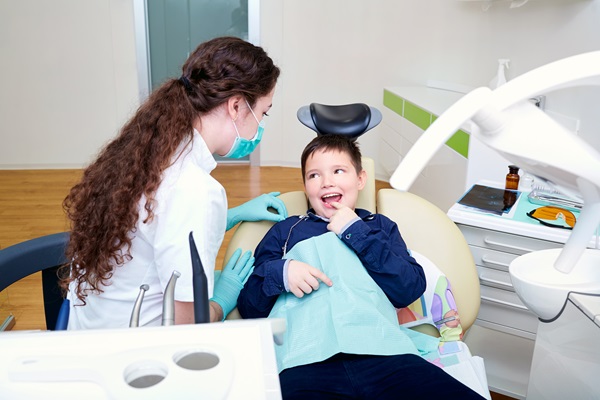
Sedation dentistry services support pediatric dental care by helping children remain calm and comfortable during necessary treatment. Some children feel intense anxiety in a dental setting, while others struggle to sit still long enough for safe, precise care. If this sounds like your child, the first step is to contact our office to discuss ways to successfully reduce stress and improve cooperation without sacrificing safety.
Why some children benefit from extra support during visits
Pediatric dental appointments can feel unfamiliar, loud, or overstimulating for children. Sensory sensitivity, fear of injections, a strong gag reflex, or prior negative experiences may increase dental anxiety. Younger children also have a limited ability to understand why treatment matters, which can make cooperation difficult. Dental teams address these challenges head-on through communication, behavior guidance, and comfort-focused strategies, such as using child-friendly language and explaining procedures, to help alleviate common fears.
Understanding sedation dentists
Sedation dentists focus on managing anxiety and movement to support safer dental treatments. However, it is important to note that sedation does not replace local anesthesia when anesthesia is introduced, but it can reduce fear and improve comfort. The level of relaxation varies by the child's needs, medical history, and procedure.
The dentist and their team also monitor vital signs and responsiveness in accordance with the chosen sedation method and applicable standards. This oversight is a critical part of the process to ensure the child remains comfortable throughout the entire procedure. Of course, parents and children are encouraged to ask questions during a consultation before any procedure begins.
Common reasons a child may see a sedation dentist
A sedation dentist can help when a child's needs make routine dental care difficult. However, the decision should reflect clinical necessity and safety, not convenience. Dental teams often consider these options when the benefits outweigh the risks and when treatment cannot wait. Proactive care helps prevent minor dental issues from progressing into major health concerns that may require more invasive interventions.
Common reasons include:
- High dental anxiety that prevents cooperation during examinations or cleanings
- Young age paired with extensive treatment needs that require stillness
- Strong gag reflex, special healthcare needs, or difficulty remaining still for long periods
- Undergoing multiple procedures in a single visit
These situations can make treatment challenging, even with behavior guidance. Sedation may allow the child to undergo care efficiently and with minimal or no distress. Sedation dentistry also helps reduce the risk of interrupted procedures, which can increase stress for children and their families.
Types of sedation used in pediatric dentistry
A sedation dentist may use different methods depending on the child's needs. The most common options include:
- Nitrous oxide (laughing gas). Provides mild relaxation and wears off quickly after the visit.
- Oral sedation. Medication taken by mouth to create a deeper level of calm, although the response can vary by child.
- IV sedation. For more advanced methods, typically delivered with additional medical support and stricter monitoring protocols.
The sedation dentist will review the recommended option and why it is appropriate for the child's situation. Of course, they perform a safety screening, as it is essential for certain medical conditions or medications that may affect the planning process. The screening also includes airway considerations, allergies, and prior history to ensure a safe experience.
How safety works with sedation dentistry for kids
Safety begins with careful case selection and a complete review of medical history. The sedation dentist follows established guidelines for monitoring, emergency preparedness, and dental team training. The team also confirms fasting requirements when applicable, because food and liquids can affect safety during deeper relaxation. Further, monitoring equipment tracks key metrics, including oxygen saturation, heart rate, and respiratory rate, throughout the appointment. These precautions are in place to ensure a controlled and stable environment for every child.
Additionally, parents receive clear instructions for the day of care and for aftercare, especially during the first several hours, as some sedation methods induce prolonged drowsiness. The sedation dentist will likely schedule follow-ups as needed to confirm healing and reinforce prevention. This comprehensive approach ensures that the benefits of the treatment are maintained long after the appointment ends.
Call us for more information
Clear communication between the sedation dentist and the family helps set up a successful visit for children. Is your child experiencing a certain level of dental anxiety or requires a little extra support during visits? Contact our office for more information or to set up a consultation with our sedation dentist to develop a care plan for your child before their appointment even begins.
Request an appointment here: https://www.manvelpediatricdentistry.com or call Manvel Pediatric Dentistry at (832) 645-2848 for an appointment in our Manvel office.
Check out what others are saying about our services on Yelp: Sedation Dentist in Manvel, TX.
Related Posts
The field and specialty of pediatric dentistry educate and train pedodontists to handle dental emergencies. In fact, they often see more pediatric dental emergencies than general dentists.What makes a pediatric dentist different? First and foremost, pediatric dentists are pediatricians. That means they have specialized training in child development and behavior. This allows them to better…
Your child's teeth will develop and change as they age. Likewise, the kind of dental care they need will change over time. The adult teeth may not develop properly without proper oral care, leading to gum disease and decay problems. Talking to a pediatric dentistry professional and asking the appropriate questions may help better care…
Pediatric dentistry is a vital part of a child's healthcare team. They are responsible for the oral health of babies, children, and adolescents. A pediatric dentist has the education and experience to care for a child's unique dental needs. In addition, they can provide preventive care, diagnosis, and treatment of various dental problems.Parents need to…
Pediatric dentistry professionals always warn against foods that can ruin a child’s teeth. Parents must limit a child’s intake of carbohydrate-rich foods. This can help lower the child’s risk for dental problems. Knowing what foods to avoid can help make oral care easier. If you want to know what foods can harm your child’s teeth…