The Role of Preventive Child Dentistry
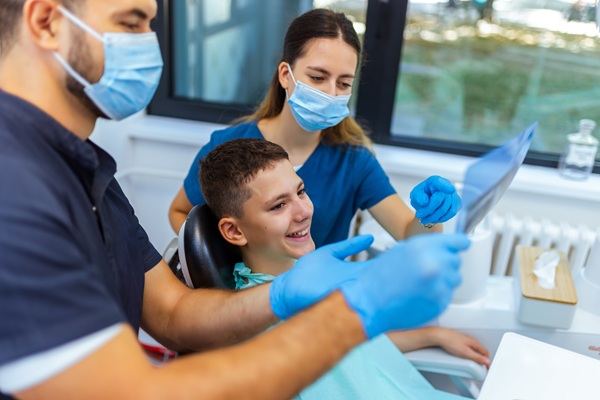
Preventive child dentistry helps establish lifelong oral health habits and reduce the risk of dental disease. These principles guide families and dental professionals toward teaching children proactive strategies to protect their developing teeth and gums. Preventive child dentistry supports long-term health outcomes and encourages young people to build confidence in dental care settings.
Understanding preventive child dentistry
Preventive child dentistry focuses on identifying and addressing potential oral health concerns before they become significant problems. This branch of pediatric dental care emphasizes education, regular monitoring, and early treatment. By teaching children about proper brushing and flossing techniques, dental teams help establish habits that support strong teeth and healthy gums.
In addition, preventive care helps reduce the need for complex procedures later in life. When dental issues are detected and treated at their earliest stage, recovery is often faster, less invasive, and less expensive. This approach allows pediatric dentists to observe how children's teeth and jaws develop as they get older. The dentist can then spot early signs of alignment issues and offer advice and treatment to support healthy oral development and function.
Key components of preventive care
Preventive child dentistry includes multiple strategies designed to address oral health from several angles. These components work together to reduce risks and promote health before problems can emerge.
Regular dental examinations
Routine examinations allow dental professionals to monitor tooth development, assess gum health, and detect early signs of decay or misalignment. These visits create opportunities to educate young patients and families and discuss potential concerns. Consistent checkups with a trusted pediatric dentist also help children become more comfortable in dental environments, reducing fear around oral healthcare and building trust.
Professional dental cleanings
Even with strong home care habits, plaque and tartar can accumulate in hard-to-reach areas, particularly for children who are still learning how to brush their teeth. Professional cleanings remove these deposits and help prevent cavities, gum inflammation, and long-term enamel damage. Cleanings also provide pediatric dental teams with an opportunity to reinforce proper brushing and flossing techniques that help keep teeth healthy between visits.
Fluoride treatments
Fluoride strengthens enamel and increases resistance to acid attacks from bacteria and food particles. Topical fluoride treatments are a core element of preventive care and are particularly beneficial for young teeth as they develop a healthy oral hygiene routine. Regular fluoride application supports cavity prevention and helps maintain strong enamel throughout childhood.
Dental sealants
Sealants protect the chewing surfaces of molars, which are particularly vulnerable to decay. These thin coatings create a barrier that prevents food particles and bacteria from settling into grooves and pits. Dental sealants are quick to apply, long-lasting, and highly effective in reducing cavity risk.
Habit counseling
Certain childhood habits, such as thumb sucking or pacifier use, can influence tooth alignment and jaw development. Preventive care includes evaluating these habits and offering guidance to support healthy growth. Early recommendations can also decrease the likelihood of future orthodontic concerns.
Nutritional guidance
Diet and nutrition also contribute to a young person's oral health. For example, consuming too many sugary snacks and acidic beverages can contribute to decay and weaken enamel. As part of preventive care, the pediatric dentist will take the time to discuss nutritional choices that promote strong teeth, such as fresh fruits, vegetables, dairy products, and water. Balanced nutrition supports the child's oral and overall health.
The importance of early intervention
Early intervention is one of the most powerful tools in preventive child dentistry. When a pediatric dentist regularly monitors a child's oral health from an early age, they can identify patterns, detect problems, and guide healthy development. Regular dental checkups with this dental professional can reveal potential issues related to alignment, bite patterns, or enamel defects, making treatment more effective and less invasive.
Additionally, it is important to have a dentist who understands children's growth and development. As they get older, their oral structures change rapidly. Regular monitoring ensures that any emerging concerns, such as misalignments, are addressed as soon as possible. This approach supports functional bite development, speech patterns, and chewing ability.
The long-term impact of preventive care
The benefits of preventive child dentistry extend beyond a young patient's early years. Positive dental habits developed in childhood can reduce the risk of chronic oral health conditions later in life. Children who grow up attending consistent dental visits tend to maintain those routines into adulthood, supporting healthy gums, strong teeth, and improved overall well-being.
Preventive practices can also reduce the financial burden of dental care. Treating small problems early can prevent the need for advanced procedures, orthodontic corrections, or restorative treatments in the future. This proactive approach creates a healthier foundation for long-term dental wellness.
Schedule your child's next appointment
Preventive child dentistry provides your child with essential support for developing strong, healthy teeth and gums. Is your little one due for their first or next dental checkup? Call our Manvel office to learn more about our services or to schedule an appointment.
Request an appointment here: https://www.manvelpediatricdentistry.com or call Manvel Pediatric Dentistry at (832) 645-2848 for an appointment in our Manvel office.
Check out what others are saying about our services on Yelp: Read our Yelp reviews.
Related Posts
The field and specialty of pediatric dentistry educate and train pedodontists to handle dental emergencies. In fact, they often see more pediatric dental emergencies than general dentists.What makes a pediatric dentist different? First and foremost, pediatric dentists are pediatricians. That means they have specialized training in child development and behavior. This allows them to better…
Your child's teeth will develop and change as they age. Likewise, the kind of dental care they need will change over time. The adult teeth may not develop properly without proper oral care, leading to gum disease and decay problems. Talking to a pediatric dentistry professional and asking the appropriate questions may help better care…
Pediatric dentistry is a vital part of a child's healthcare team. They are responsible for the oral health of babies, children, and adolescents. A pediatric dentist has the education and experience to care for a child's unique dental needs. In addition, they can provide preventive care, diagnosis, and treatment of various dental problems.Parents need to…
Pediatric dentistry professionals always warn against foods that can ruin a child’s teeth. Parents must limit a child’s intake of carbohydrate-rich foods. This can help lower the child’s risk for dental problems. Knowing what foods to avoid can help make oral care easier. If you want to know what foods can harm your child’s teeth…