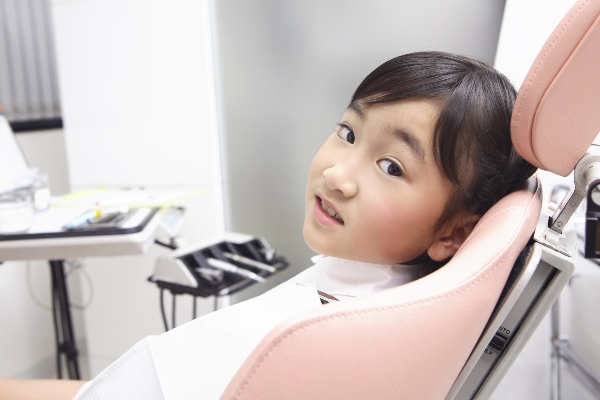
 Pediatric dentistry is focused on the oral health of children from infancy through their teenage years. Regular dental care is important for maintaining your child's oral health.
What is a pediatric dentist?
Pediatric dentists complete two years of residency beyond dental school that includes training to care for the oral health needs of infants, teens, children, and children with special needs. Pediatric dentistry includes comprehensive oral care:
- Infant oral health exams.
- Habit counseling.
- Preventive care.
- Bite assessment and treatment.
- Diagnosis of oral conditions.
- Cavity repair.
Pediatric dentists also provide care for dental injuries and manage diseases, such as gum disease and ulcers.
What does a dentist look for during a child's oral health exam?
You should begin taking your children to see the dentist within six months of their first teeth coming in. At your first pediatric dentistry visit, the dentist will provide you with information about bottle-related tooth decay, mouth cleaning, infant feeding, teething, finger-sucking habits, and pacifier habits.
Preparing your child for the dentist
Schedule appointments in the morning when possible. Your child is likely to be more alert and less tired at this time. Explain to your child why going to the dentist is important and try to make it seem exciting.
If you have dental anxieties, take care not to make your child aware of them. Make sure your dentist has your child's complete health history. If your child tends to be defiant, stubborn, or anxious, let your dentist know this before the visit.
Your child's first visit
The primary purpose of your child's first dental visit is to get your child used to visiting the dentist. Expect this exam to last 30 to 45 minutes. Depending on how old your child is, the dentist may perform a full exam of the teeth, bite, jaws, gums, and oral tissues to check for any abnormalities in growth and development.
If it is needed, the dentist may gently clean your child's teeth and polish them to remove tartar, plaque, and stains. The dentist may also provide instructions for cleaning your child's teeth at home. X-rays are not usually done but may be necessary to check for decay or a baby tooth that is affecting an adult tooth.
Your child's second visit
Your child should return to the dentist every six months. Your dentist may schedule appointments more frequently to help your child become more comfortable with pediatric dentistry or if there is a development problem that needs to be monitored.
Conclusion
Pediatric dentistry is an important part of your child's oral health. Regular dental visits can help identify problems early, get your child comfortable with the dentist and prevent future problems, such as cavities or poor oral hygiene habits. Schedule your child's first visit within six months of the emergence of the first tooth and return for regular visits every three to six months. The dental habits you establish with your child now may carry into adulthood.
Request an appointment or call Manvel Pediatric Dentistry at 832-645-2848 for an appointment in our Manvel office.
Related Posts
Good gum care for children can help them maintain adequate oral health. Gum care involves effort from the parent, the young patient, and the attending dentist. Sufficient gum care can prevent bacteria and help maintain healthy teeth, gums, and jawbones. If you want to know more about how gum care for children can improve your…
Eating the right foods is part of preventive dental care for kids. Children like to eat sweet and starchy foods. This affects the health of their teeth and gums. It will take some discipline to stay away from the wrong foods. If you want to support preventive dental care for kids, here are the details…
A pediatric dentist is a dental specialist that helps ensure that children are able to keep their baby teeth healthy to avoid any future issues with their permanent teeth. This guide provides information on why baby teeth are important and how to care for them through good oral health.Healthy baby teeth help ensure the proper…