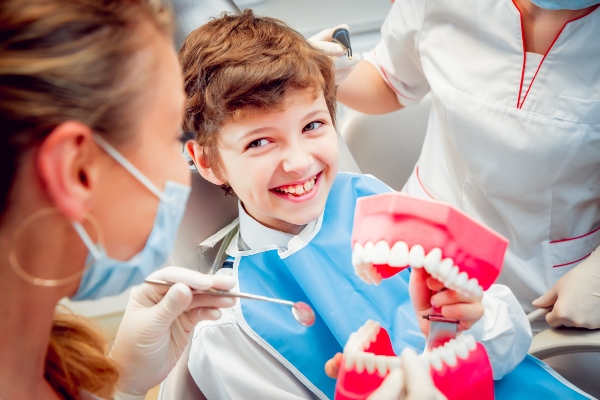
 Early dental care is a way to help ensure optimal dental development for children. The primary purpose is prevention, but early restorative care can help avoid discomfort, developmental concerns, and more. Most dentists recommend early dental care by your child’s first birthday.
Early dental care for toddlers
Toddlers, children between one and three years of age, are susceptible to oral health concerns such as cavities. The toddler years are also crucial for the child’s dental development. In this review, we discuss why toddlers need to have early dental care, what early dental care entails, and more.
Do toddlers need early dental care?
The earlier children begin regular dental check-ups, the better their short-term and long-term oral health is likely to be. Toddlers over the age of one should start visiting a pediatric dentist.
What does early dental care include for toddlers?
Early dental care for toddlers may look different for every patient. The ultimate goal is to prevent any oral health concerns from developing that impact. Common early dental care services include:
- Dental X-rays.
- Oral examination.
- Routine cleaning.
- Preventive care (i.e. sealants).
- Educational services.
- Restorative care (if necessary).
Early dental care involves a check-up and routine cleaning for most toddlers. Each visit offers an opportunity to learn more and track the child’s dental development. If there are any concerns, then the dentist can address them promptly. Early dental care visits are typically non-invasive.
What are the benefits of early dental care for toddlers?
Parents are often surprised at how beneficial early dental care is for toddlers. First and foremost, it helps prevent dental concerns for toddlers, including cavity prevention. In addition, since it reduces the risk of needing restorative procedures, children can better avoid discomforting and stressful procedures. This can help reduce the risk of dental anxiety and dental phobia, along with creating healthy habits and memories of visiting the dentist.
Early dental care for toddlers may also help reduce the need for orthodontic care. Dental issues such as cavities and the loss of teeth at an early age can cause spacing and alignment concerns, whereas healthy baby teeth that last for a long time help promote proper spacing.
When should I schedule my child’s first dental visit?
You should schedule your child’s first dental visit by their first birthday or within six months after their first set of teeth has emerged. After that, much like adults, visits are recommended two or three times per year for a check-up and routine cleaning. More frequent visits may be recommended if any oral health concerns are detected.
Contact us today to schedule a visit for early dental care
If your child has passed their first birthday, it is time for their first dental visit. To schedule a visit with our dental practice, you can give us a call today or send our team a message. We look forward to meeting you and your child and assisting with your child’s early dental care needs.
Request an appointment or call Manvel Pediatric Dentistry at 832-645-2848 for an appointment in our Manvel office.
Related Posts
Good gum care for children can help them maintain adequate oral health. Gum care involves effort from the parent, the young patient, and the attending dentist. Sufficient gum care can prevent bacteria and help maintain healthy teeth, gums, and jawbones. If you want to know more about how gum care for children can improve your…
Eating the right foods is part of preventive dental care for kids. Children like to eat sweet and starchy foods. This affects the health of their teeth and gums. It will take some discipline to stay away from the wrong foods. If you want to support preventive dental care for kids, here are the details…
A pediatric dentist is a dental specialist that helps ensure that children are able to keep their baby teeth healthy to avoid any future issues with their permanent teeth. This guide provides information on why baby teeth are important and how to care for them through good oral health.Healthy baby teeth help ensure the proper…