Why Would My Child Need a Pediatric Dental Filling?
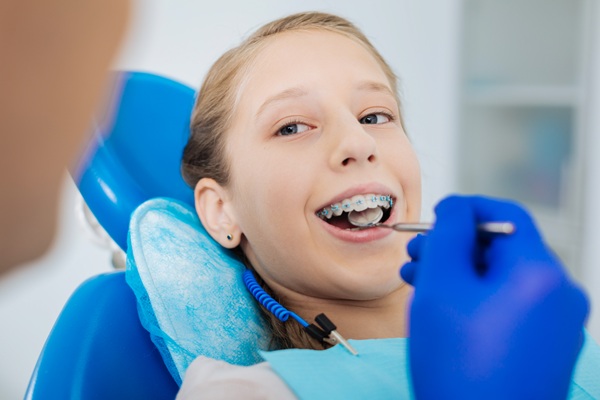
Tooth decay is one of the most common childhood dental issues, and a pediatric dental filling is a leading way to address it. A filling helps restore the tooth's shape and function after a cavity has damaged it. Early treatment from a pediatric dentist is crucial in helping to protect the tooth from further damage.
How cavities form in children
Cavities, also called dental caries, form when bacteria in the mouth feed on sugars and produce acids. These acids wear away the protective enamel on the surface of the tooth. Over time, this leads to tiny holes or soft spots in the teeth. Children are more prone to cavities because their brushing and flossing skills may not be fully developed.
A child's diet also plays a role in the development of tooth decay. Frequent snacking, consumption of sugary foods, and drinking acidic beverages can accelerate the breakdown of enamel. If left untreated, a cavity can spread deeper into the tooth and potentially reach the nerve, leading to pain or infection.
Why baby teeth still need treatment
Some parents may wonder why a pediatric dental filling is necessary if the affected tooth is a baby tooth that will eventually fall out. Baby teeth, also known as primary teeth, are important for many reasons.
- They help children chew and speak clearly
- They also guide the permanent teeth into the correct position
- The decay may spread to other teeth
- The tooth may become painful or infected
- An untreated cavity can cause the tooth to fall out too early, impacting smile alignment
A filling helps preserve the structure and function of the baby tooth until it is ready to fall out naturally.
What to expect during the filling process
Getting a pediatric dental filling is a common and simple procedure. The pediatric dentist will examine the tooth and take X-rays if needed. This helps determine the size and location of the cavity.
The dentist will then remove the decayed part of the tooth using special tools. After clearing the decay, the dentist will clean the area and place the filling. The filling material is shaped to match the natural tooth and then hardened under a special light, helping restore the tooth's function and preventing further damage.
Pediatric dentists employ gentle techniques to help children remain calm and comfortable throughout the process. Some children may receive a mild form of sedation or numbing gel to reduce discomfort. Most fillings are completed in one visit, and the child can return to normal activities shortly after the appointment.
Types of fillings used in pediatric dentistry
There are various materials used for pediatric dental fillings, and the dentist will select the best option based on the child's specific needs. Tooth-colored composite fillings are popular options because they blend in with the natural tooth. These fillings are often chosen for visible teeth or for children who may be self-conscious about their appearance.
Amalgam fillings, which are silver in color, may also be used for less visible back teeth. These fillings are strong and durable, making them a good choice for areas that handle a lot of chewing. In some cases, glass ionomer fillings may be a viable option. These fillings can release fluoride to help protect the tooth.
How to prevent future cavities
After receiving a pediatric dental filling, it is important to take steps to prevent future cavities. Regular brushing and flossing help remove food particles and plaque from the teeth. Children should brush twice a day using fluoride toothpaste and floss once a day to clean between the teeth.
Limiting sugary snacks and drinks can also reduce the risk of tooth decay. Encourage healthy eating habits by incorporating fruits, vegetables, whole grains, and dairy products into your diet. Drinking water throughout the day helps rinse away food debris and keeps the mouth hydrated. Additionally, regular visits to the pediatric dentist are crucial for maintaining optimal oral health.
When to talk to a pediatric dentist
If a child complains of tooth pain, sensitivity, or visible spots on the teeth, it may be time to visit the dentist. Even if there are no symptoms, a pediatric dental filling may be recommended during a routine checkup. X-rays and visual exams help detect cavities before they become serious.
Children who are more prone to cavities may benefit from dental sealants. These thin coatings are applied to the chewing surfaces of the back teeth to help block out food and bacteria. Sealants, along with good home care, can reduce the chances of needing fillings in the future.
Protecting little smiles with early care
A pediatric dental filling is a safe and effective way to repair a tooth damaged by decay. Taking care of cavities early helps prevent bigger problems later and supports the health of both baby and adult teeth. Regular dental visits and healthy habits are key to keeping a child's smile strong and bright.
Request an appointment here: https://www.manvelpediatricdentistry.com or call Manvel Pediatric Dentistry at (832) 645-2848 for an appointment in our Manvel office.
Check out what others are saying about our dental services on Yelp: Pediatric Dental Filling in Manvel, TX.
Related Posts
The field and specialty of pediatric dentistry educate and train pedodontists to handle dental emergencies. In fact, they often see more pediatric dental emergencies than general dentists.What makes a pediatric dentist different? First and foremost, pediatric dentists are pediatricians. That means they have specialized training in child development and behavior. This allows them to better…
Your child's teeth will develop and change as they age. Likewise, the kind of dental care they need will change over time. The adult teeth may not develop properly without proper oral care, leading to gum disease and decay problems. Talking to a pediatric dentistry professional and asking the appropriate questions may help better care…
Pediatric dentistry is a vital part of a child's healthcare team. They are responsible for the oral health of babies, children, and adolescents. A pediatric dentist has the education and experience to care for a child's unique dental needs. In addition, they can provide preventive care, diagnosis, and treatment of various dental problems.Parents need to…
Pediatric dentistry professionals always warn against foods that can ruin a child’s teeth. Parents must limit a child’s intake of carbohydrate-rich foods. This can help lower the child’s risk for dental problems. Knowing what foods to avoid can help make oral care easier. If you want to know what foods can harm your child’s teeth…